01
Country-screened
Recommend invasives
Neem, leucaena, wedelia — useful elsewhere, destructive in DR and across the Caribbean. The land-audit screens these out by country. Always.
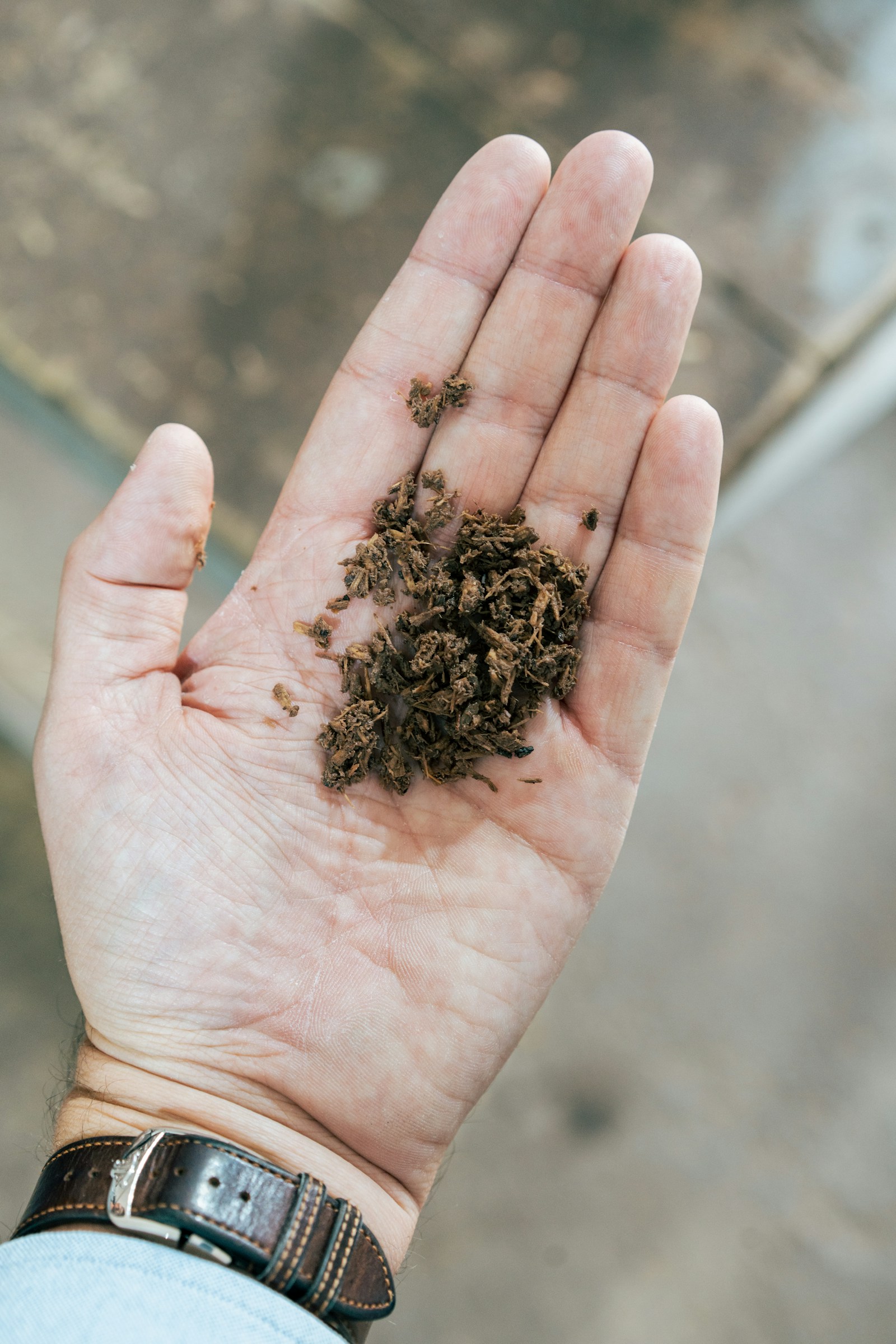
From high-stakes indoor cultivation to broad-acre regenerative ag — the rules of soil don't change. Only the plants do.
I fell in love with growing cannabis. Not from a textbook — from spaces where a single bad batch of microbial drench could cost a whole cycle. That environment doesn't let you hand-wave. You either understand the biology, or your plants tell you that you don't.
Years of that work pushed me deep into soil science: bacteria-to-fungi ratios, mycorrhizal colonization, microbial inoculants, recipe-driven biology. The cannabis world had internalized soil biology faster than most regenerative-ag consultants because the economics forced it. Every plant counts.
"Then I found JADAM — and realized the same biological tools that worked indoors could be made for near-zero cost using leaf mold and a 5-gallon bucket."
Indoors, you are god. Outdoors, you work with god.
I don't mean that religiously. Indoors you set every variable — light, water, air, biology — and the room does what you tell it. Outdoors the elements set them. You stop commanding and start cooperating, and that's a harder discipline, not an easier one.
From JADAM, the path opened: vermicompost (the most evidence-backed biological amendment in peer-reviewed agriculture), the Johnson-Su bioreactor (a fungal-dominant compost system anyone can build), and the discipline of actually testing soil before recommending inputs — Haney tests, PLFA, Solvita field reads, plus old-school slake and infiltration.
GrowEssential is that same toolkit applied outside the grow room: backyard food forests, pasture transitions, tropical agroforestry. Cannabis just happened to be where I learned it first.
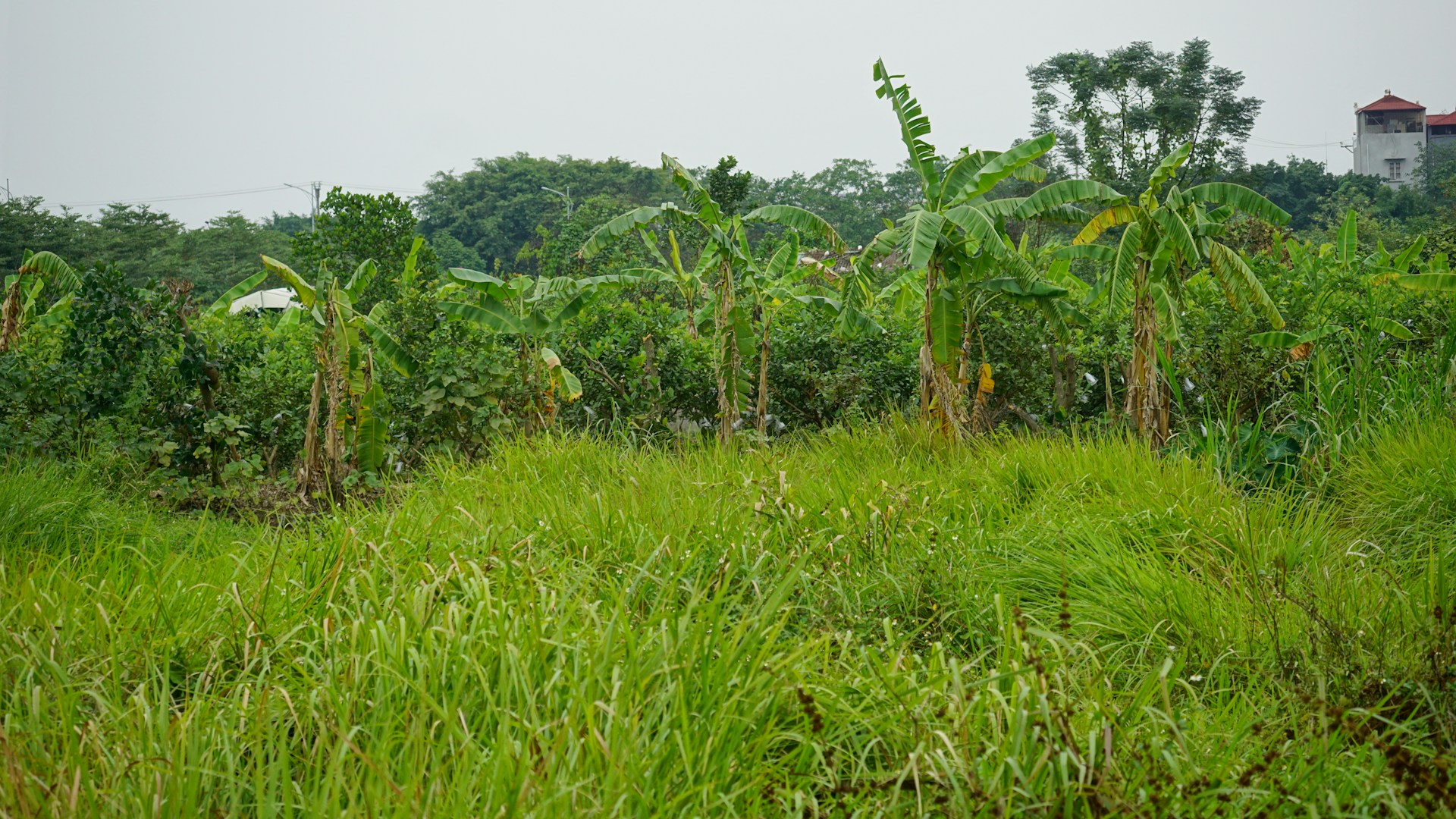
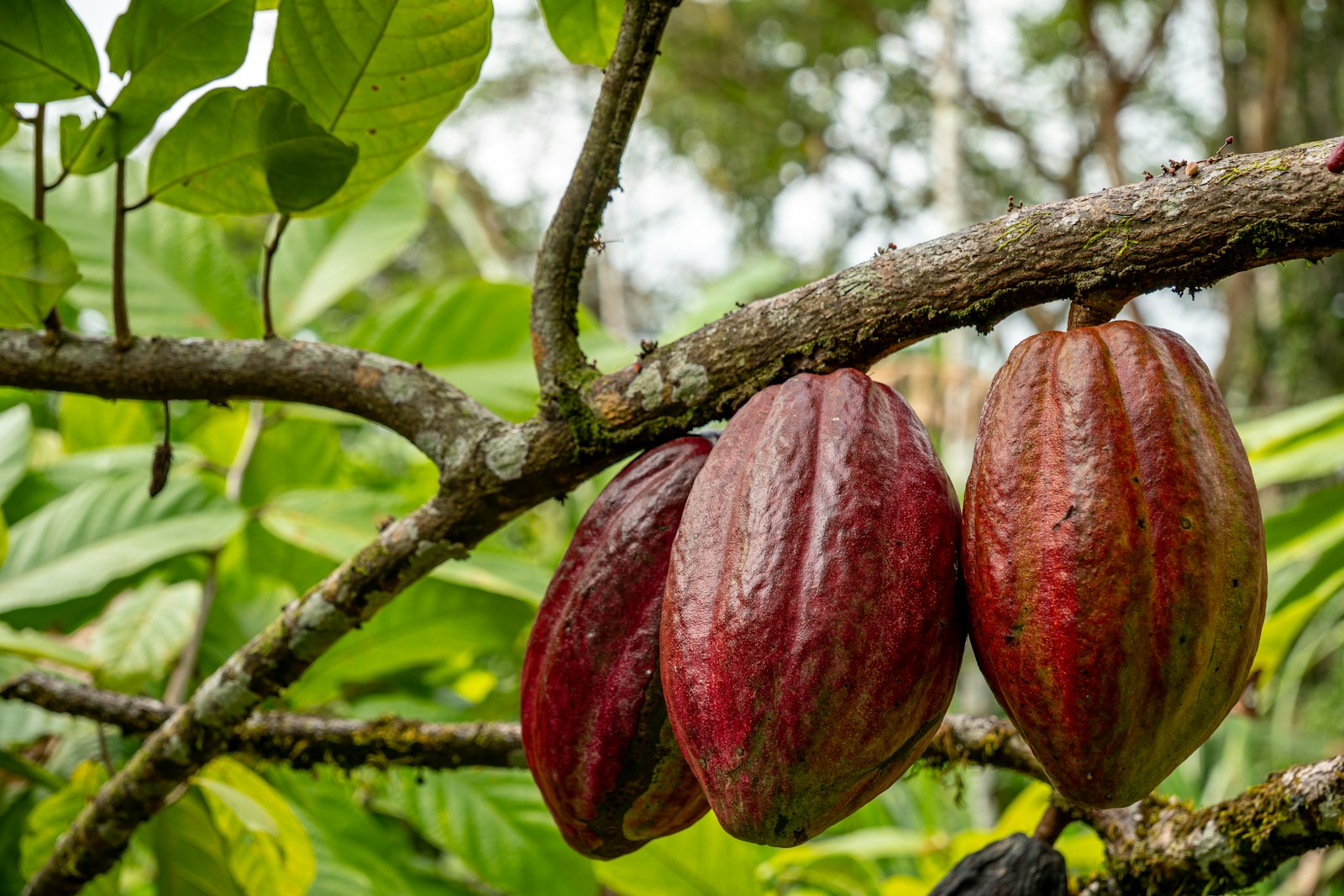
I'm exploring the DR — the whole country, not one valley. The question I'm actually working on is where the soil knowledge I built indoors is useful here: which soils are struggling, what the growers already know, and where a biological approach earns its keep. The country is the world's #1 organic cocoa exporter; the cooperative networks (CONACADO, COOPROAGRO, FUNDOPO) have already proven multi-strata agroforestry at scale.
Building there means partnering with people who've been doing this longer than most US "regen ag consultants" have been alive.
These aren't marketing positioning. They're hard rules. If a method fails one of these tests, it doesn't make it into a client recommendation.
Neem, leucaena, wedelia — useful elsewhere, destructive in DR and across the Caribbean. The land-audit screens these out by country. Always.
No bottled biostimulant cure-alls. No proprietary microbe blends. The whole point is that you make the inputs yourself, on your land, near-zero cost.
If a method has thin peer review, I say so on the same page I'm selling it. Vermicompost has 26% yield meta-analysis data. JADAM doesn't — and I frame each one accordingly.
Fastest path is a free 30-minute discovery call. Not ready to talk? Send a free Land Audit request — I'll mail back a first-actions report in 5 business days.